
Tariff Talk: How PacDie is Navigating Recent Tariff-Related Challenges

20 FEBRUARY 2026 | VANCOUVER, WA. -- In the last 15 years of working in the manufacturing business, tariffs had never entered the business discussions of PacDie owner and CEO Elizabeth Gubrud. That all changed in November of 2024 when "it became apparent that this was going to be an issue," she says. In response, the North American Die Casting Association (NADCA) started holding weekly webinars.
"We [NADCA] engaged a third-party Washington advocate and started doing preliminary planning," she says behind the hum of diecasting machines pumping out parts from her Vancouver, WA facility. It may not have impacted her bottom line as much as some.
PacDie was already sourcing aluminum from a domestic schmelter that uses 95% recycled materials. "Pop cans, cars," Gubrud remarks. She knows she was paying a little bit more for the metal. But it paid off when tariffs hit.
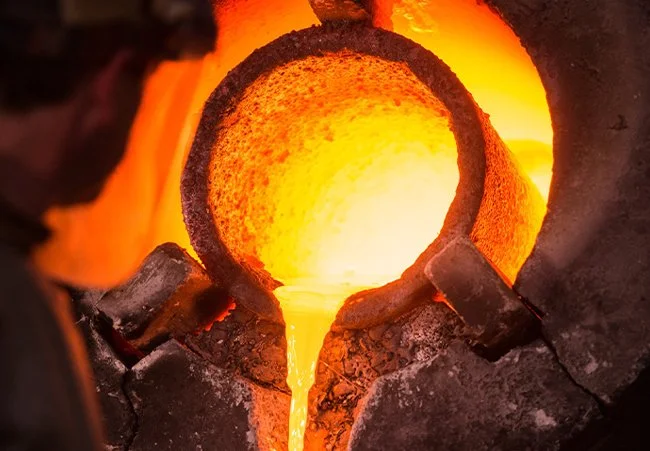
Those markets are remaining stable, according to metal distributor Steve Brase of Waldron Pacific. "The scrap metal volumes in southern California are very stable," he writes in a note. That's where 100% of PacDie's metal comes from, and it's where it came from before November 2024.
"We were first in line," Gubrud says, speaking to the rush for domestic manufacturers to source domestic aluminum. The company has been successful at mitigating some suppliers' predatory price increases and we give our customers the choice to purchase tools from the US or low-cost countries like China. We've always been customer focused and managing the tariffs is no exception.
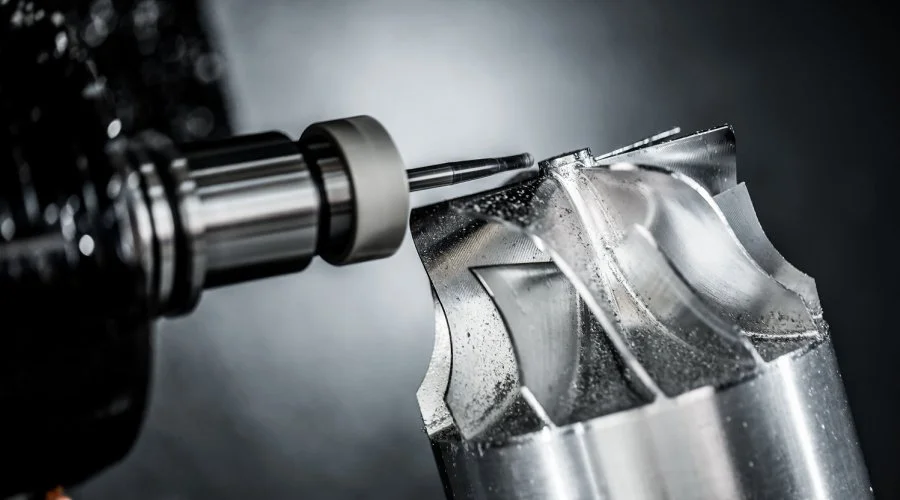
So while tariffs haven't upended PacDie's cost structure in the last year, they have upended something else: the prospect of capital investment.
PacDie secured eight major commercial automotive contracts that will come into production in 2027, and to fulfill those contracts, PacDie needs to purchase new diecasting machines. "You cannot buy a diecasting machine in the United States," Gubrud says. There's nobody manufacturing them domestically, and the Department of Commerce has opened an investigation into industrial machinery imports, which could lead to tariffs of up to 45%.
If PacDie works to finance a $2 million machine now, the new tariff could drive the cost up by almost $1 million. "That would totally disrupt my cost structure," Gubrud remarks, "and it's not like it's easy to offset."
The financial models she's ran with her CFO Kyle Crawford say the expansion makes sense. "The data says it's a no brainer," Gubrud says, adding she makes these types of decisions looking out in five to 10 year increments. PacDie owns the land to expand on. Gubrud has the contracts in hand. But future volumes could vary, a lot. Through the maneuvering of tough tariff decisions, PacDie remains committed to the customer. "If they make the trucks, I make the parts."
###
Phone: 360-695-6897 Email: Sales@Pacdie.com